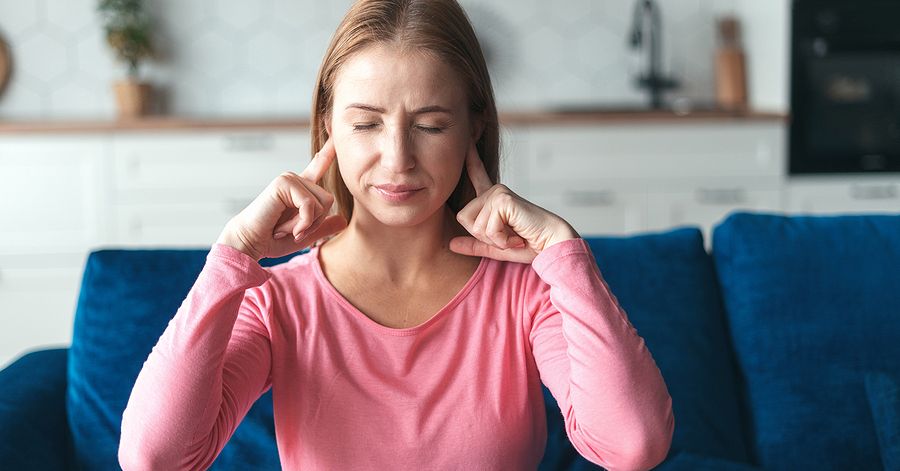
A blocked ear can feel uncomfortable, distracting, and sometimes even alarming.
You may notice muffled hearing, pressure, or a strange fullness inside the ear.
While temporary blockage is common, understanding the possible
ear blockage causes can help you know when simple care is enough
and when medical attention is necessary.
In many cases, blocked ears happen because of wax buildup, allergies,
sinus congestion, or pressure changes during travel. However,
persistent symptoms should never be ignored.
1. Earwax Buildup (Cerumen Impaction)
One of the most common ear blockage causes is excessive earwax buildup.
Earwax protects the ear canal, but too much wax can harden and block sound.
-
Reduced hearing
-
Feeling of fullness in the ear
-
Mild earache or ringing sound
Avoid using cotton buds because they often push wax deeper into the ear canal.
2. Eustachian Tube Dysfunction
The Eustachian tube balances pressure inside the ear. If it becomes blocked,
your ears may feel clogged or heavy.
-
Altitude changes during flights
- Allergies
- Cold or sinus infections
You may also hear popping sounds while swallowing or yawning.
3. Sinus Congestion
Since the ears, nose, and throat are connected, sinus blockage can
affect ear pressure and create a blocked sensation.
- Stuffy nose
- Facial pressure or headache
- Post-nasal drip
4. Ear Infections
Ear infections can cause swelling and fluid buildup, leading to pain
and hearing difficulty.
- Ear pain
- Fever
- Fluid discharge
- Difficulty hearing
Medical evaluation is important because untreated infections may worsen.
5. Fluid in the Middle Ear
Fluid may remain trapped behind the eardrum even after a cold or infection
improves.
- Persistent blocked feeling
- Mild hearing loss
- Usually little or no pain
6. Changes in Air Pressure (Barotrauma)
Pressure changes during flights, diving, or mountain travel can temporarily
block the ears.
- Air travel
- Scuba diving
- Rapid elevation changes
Swallowing, yawning, or chewing gum often helps relieve the pressure.
7. Foreign Objects or Structural Issues
Physical blockage inside the ear canal can also lead to ear fullness.
- Small foreign objects
- Swelling inside the ear canal
- Narrow ear canals
In rare situations, abnormal growths may also cause blockage and require
specialist evaluation.
When Should You Worry?
Consult a doctor if you experience:
- Severe or persistent ear pain
- Sudden hearing loss
- Fluid or pus discharge
- Dizziness or balance issues
- Blockage lasting more than a few days
Tips to Prevent Ear Blockage
- Avoid inserting cotton buds into your ears
- Manage allergies and sinus problems early
- Stay hydrated
- Use ear protection while swimming
- Practice pressure-equalizing techniques during travel
Final Thoughts
Ear blockage is a common problem that can happen for many reasons,
from simple earwax buildup to infections and pressure changes.
Understanding these ear blockage causes can help you
take the right steps for relief and prevention.
Mild symptoms often improve on their own, but persistent discomfort,
hearing loss, or pain should always be checked by a healthcare professional.